PASSIVE HOUSE
What is Passive House?
Passive House is a world-leading building standard focused on creating homes that require minimal energy for heating and cooling while maintaining optimal comfort year-round. By emphasizing airtight construction, high-quality insulation, and balanced ventilation, Passive House homes protect the building structure and provide exceptional thermal comfort even in Christchurch’s variable climate.





passive high performing homes achieve exceptional energy efficiency, minimal POWER costs, and a healthy comfortable living environment

FAQ’S
PASSIVE HOUSE common questions
The Passive House concept encompasses a set of design principles focused on attaining remarkable energy efficiency while maintaining comfortable indoor environments. These principles are versatile and can be implemented in a wide range of buildings, from single-family homes and multifamily apartments to schools and skyscrapers.
What is a Passive House?
A Passive House is a highly energy-efficient building standard that aims to reduce the building’s ecological footprint. It utilizes advanced design principles and construction techniques to create structures that require minimal energy for heating and cooling while maintaining comfortable indoor conditions.
How much does it cost to build a Passive House?
The initial construction costs for a Passive House can be higher than those for a (10%+) conventional building due to the need for specialized materials and design. However, the investment pays off in the long run through significantly lower energy bills, reduced maintenance costs, and enhanced property value.
Do Passive Houses only work in cold climates?
No, Passive Houses can be built in any climate. The design principles are adaptable and can be tailored to suit different environmental conditions, ensuring energy efficiency and comfort regardless of location.
How do Passive Houses achieve such high energy efficiency?
Passive Houses achieve energy efficiency through a combination of design and construction techniques, including:
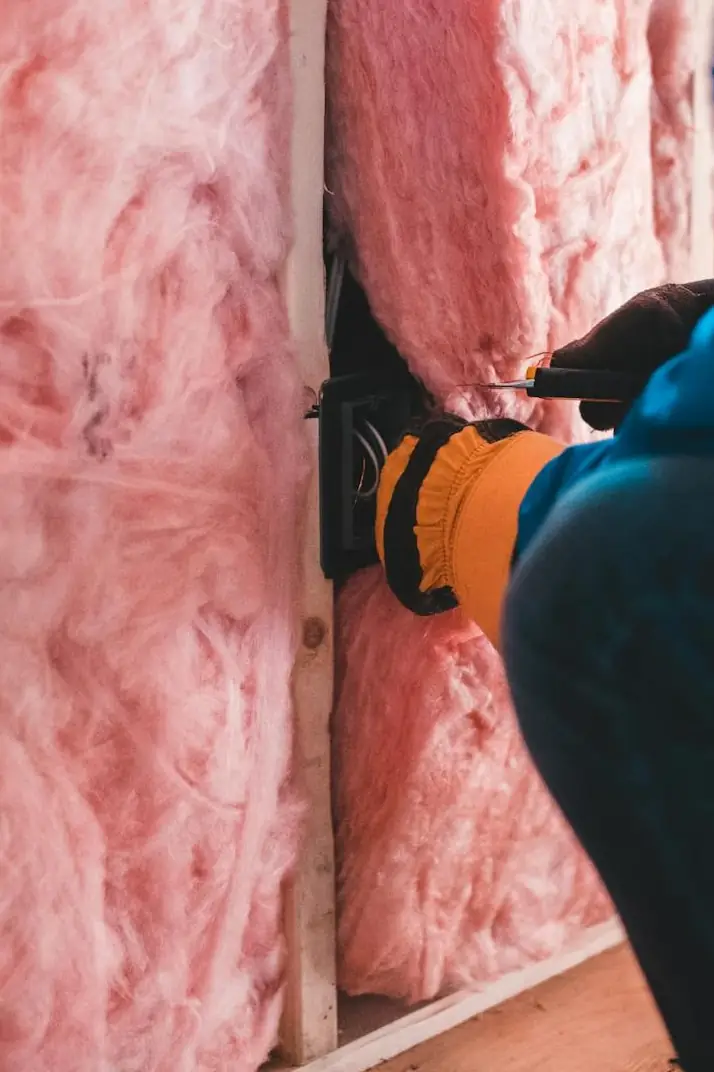
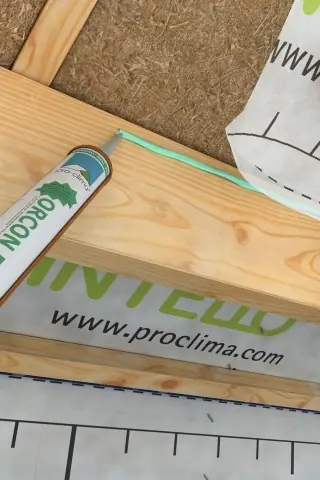
– Superior insulation and air tightness
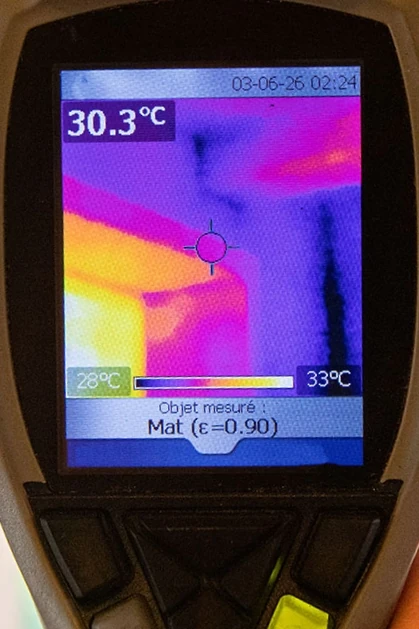
– Elimination of thermal bridges
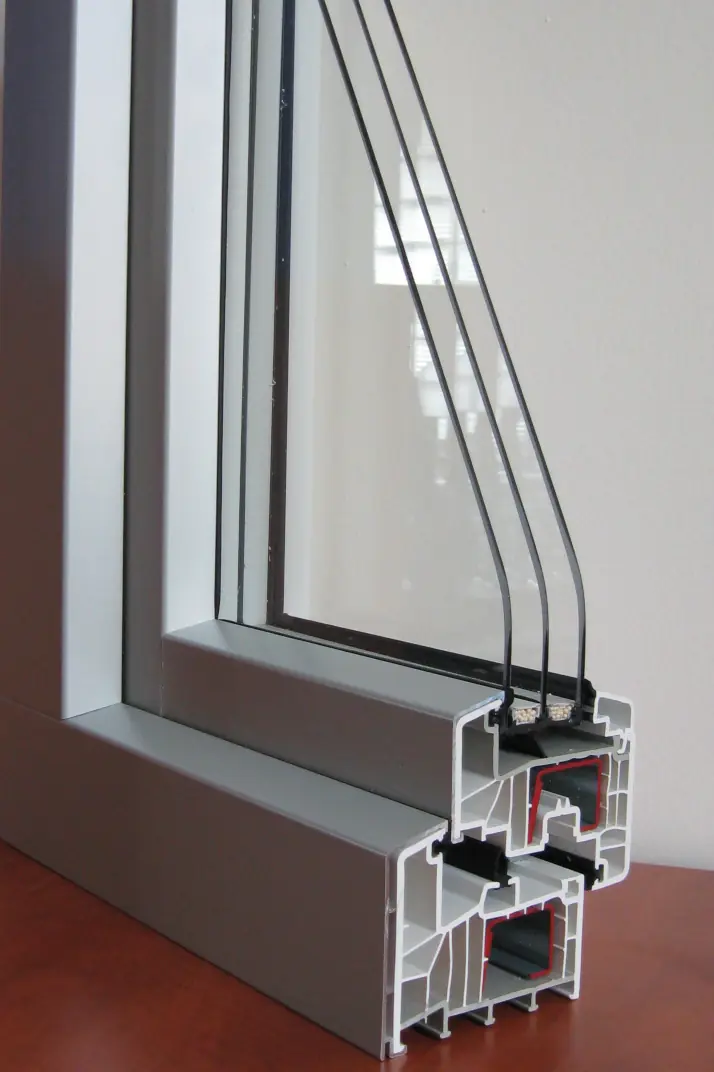
– High-performance windows and doors
– Balanced ventilation with heat and moisture recovery
– Optimal use of solar energy and shading
Can existing homes be retrofitted to meet Passive House standards?
Yes, existing homes can be retrofitted to meet Passive House standards, although it can be more challenging and costly than building a new Passive House. Retrofitting involves upgrading insulation, replacing windows and doors, improving air tightness, and installing efficient ventilation systems. The benefits include reduced energy costs and improved indoor comfort.
Useful Resources
Some helpful resources for your passive house
PRO CLIMA
Protecting building structures from external and internal moisture damage.
Stiebel eltron
PHINZ and more
PRO CLIMA CASE STUDY
A New Zealand based study on airtightness and moisture management.
Phinz
Asthma Foundation NZ
Respiratory diseases are the leading causes of sickness and death in New Zealand.
Get In Touch
Ready to Build Your Dream House?
We’re here for you and always ready to chat over a coffee! Contact us today to schedule a consultation and start your journey towards a more sustainable, energy-efficient, and comfortable home. Let’s bring your vision to life!